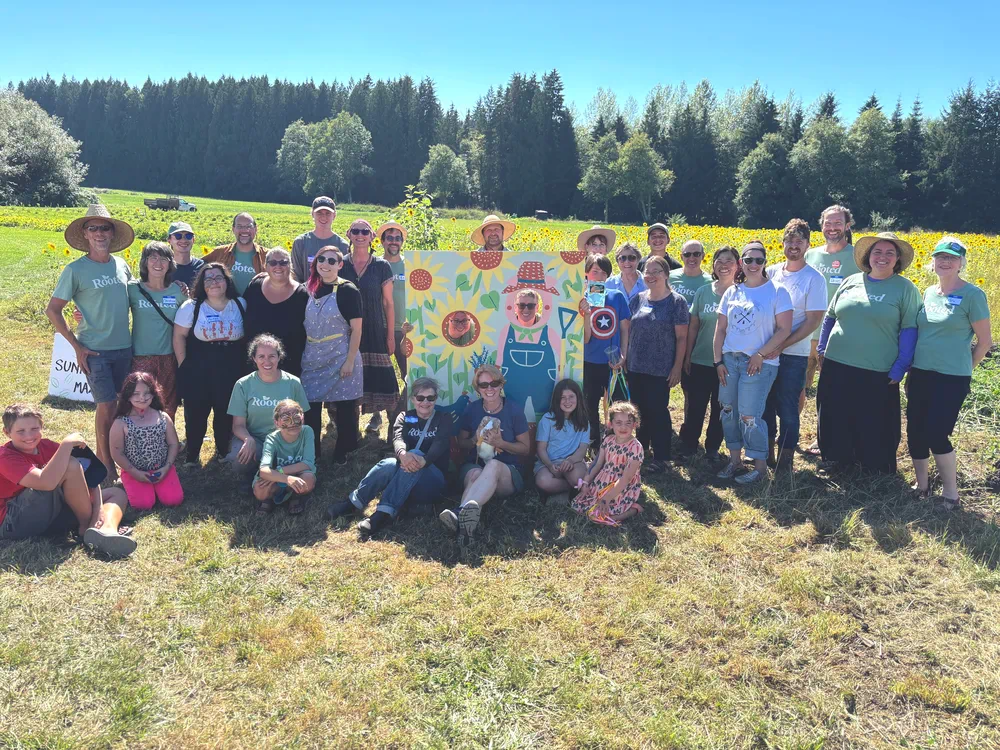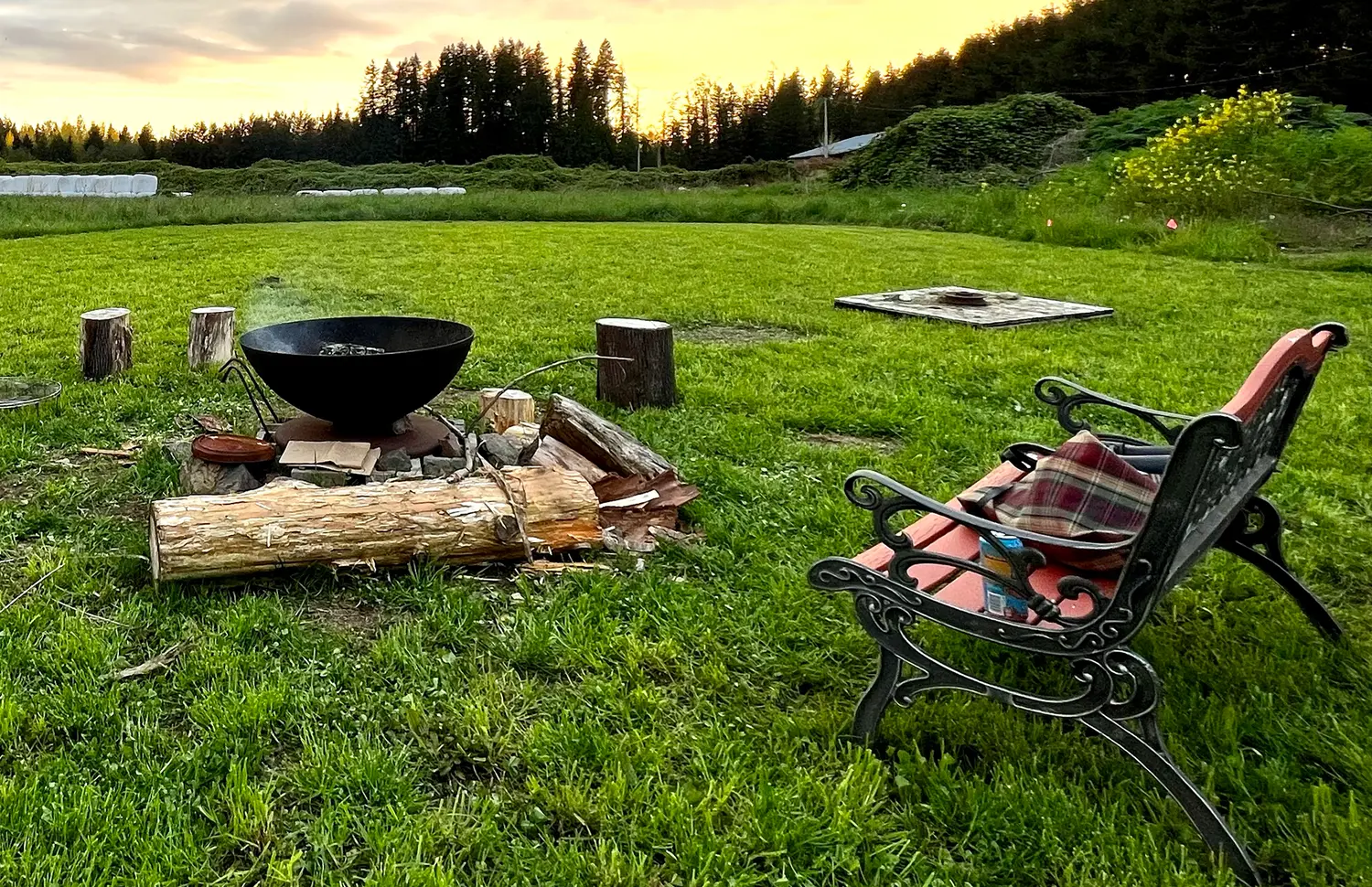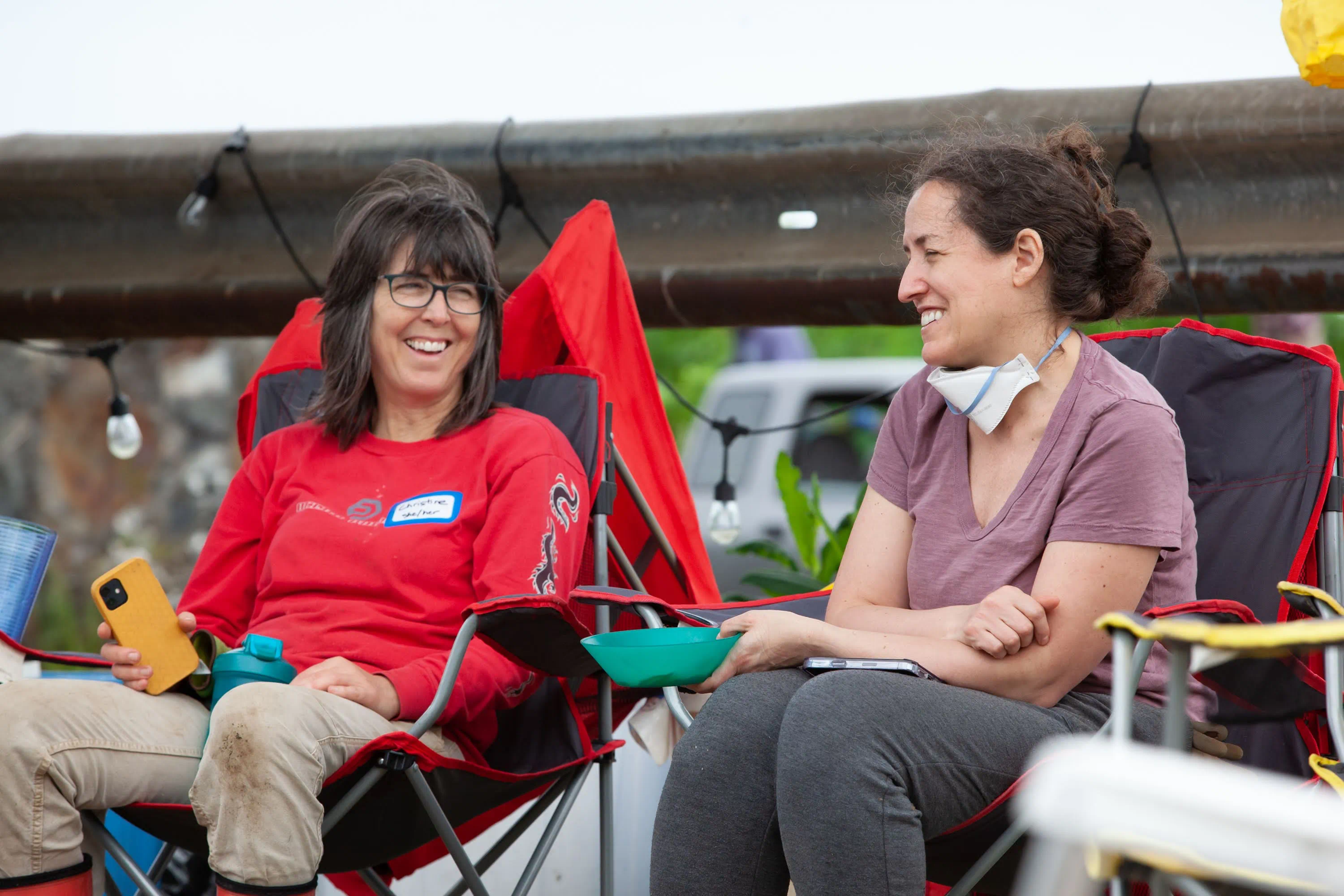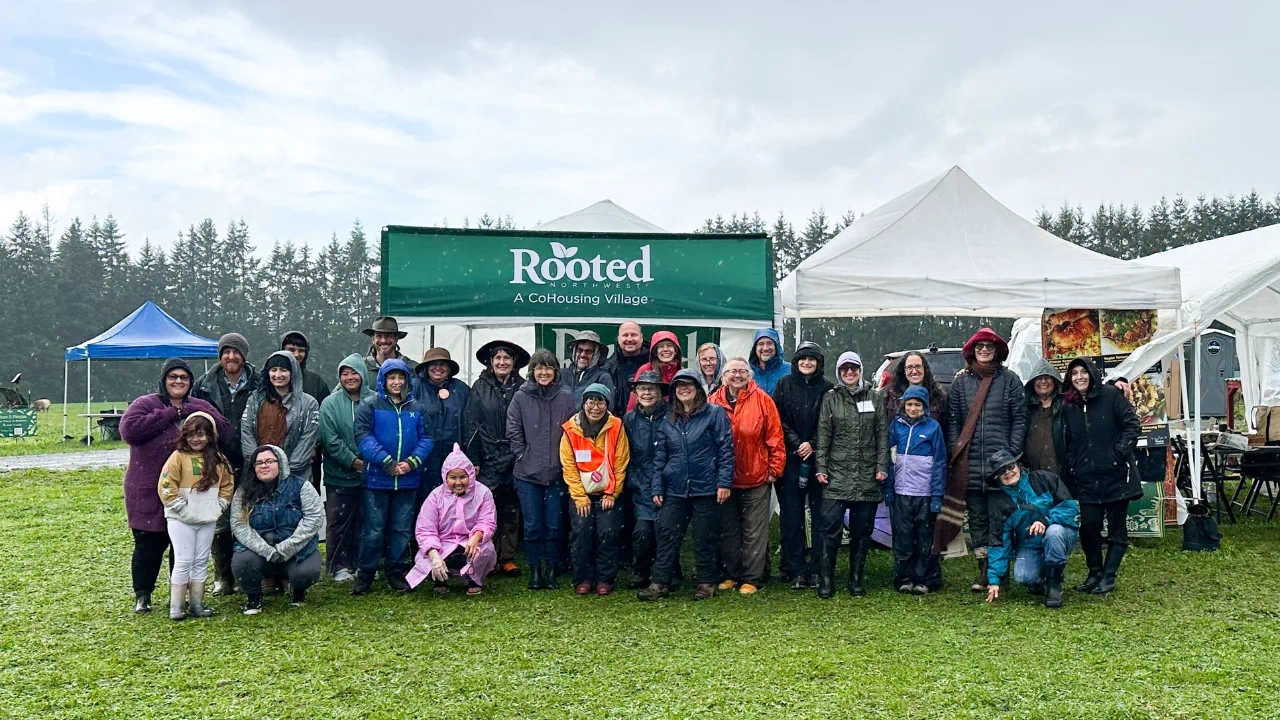

The start of a new year invites reflection, a chance to look back on where we have been and think about what we want to build next. At Rooted Northwest, that reflection feels especially present as we look ahead to construction and begin imagining what everyday life here might truly feel like.
For many of us, choosing cohousing is not just about where we live, but how we want to live. It often grows out of seasons of change, shifting priorities, and a desire for connection, belonging, and resilience that feels built into daily life rather than added on later.
We asked future neighbors to share why cohousing feels like the right choice for them right now, and what they hope a place like Rooted Northwest will make possible in their everyday lives.
Making Space for What’s Next
For some, the move toward cohousing comes at a moment of transition, when life opens up space to think more intentionally about what matters most and how they want the next chapter to unfold.
Monique
When my daughter graduated from law school and moved out, it opened space to think intentionally about how I wanted to live next. I wanted to leave Seattle for a quieter way of life without losing connection. Rooted Northwest’s cohousing village model creates something rare: community grounded in shared values and a true sense of belonging.
Everyday Connection, Without the Friction
Many future neighbors describe cohousing in very practical terms, focusing less on big ideals and more on how it changes the rhythm of everyday life and makes connection easier.
Yuko
I chose Rooted Northwest to be closer to nature and create a meaningful life with neighbors I know and like. No more scheduling tea with friends months in advance or driving through traffic just to spend time together — instead, we can step outside, connect in real time, and simply walk home when we’re done. During the growing season, it’s also easy and joyful to buy fresh produce from the farmers on the land.
Choosing Interdependence
For others, cohousing represents a conscious shift away from the idea that we are meant to do everything on our own, even when that way of living feels exhausting.
Christine
I’m choosing cohousing because I’m tired of living as if my family and I are separate and independent from everyone else. Interdependence is part of being human, even though we often pretend we’re supposed to do everything ourselves — and it’s exhausting. I want to live in a community where sharing skills, tools, meals, and care is normal, visible, and joyful. I’m excited to live in a place where doing things I love, like cooking or tending the garden, feels like connection instead of another daily chore.
Living in Alignment With What We Know to Be True
At its core, cohousing reflects a belief many people already hold, even if they have not always had a way to live it out. Connection matters, both between people and with the world around us.
Mae
Our family is drawn to cohousing because we understand how deeply interconnected all living things are. Separation and isolation aren’t the natural way humans — or any living beings — thrive. Just as babies need to be held and cuddled, children and adults need play, friendship, and positive community connection. We’re stronger when we come together, and it becomes easier to care for the world around us. There’s nothing more valuable than that.
Building More Than Homes
Each of these reflections is personal, shaped by different life stages and experiences, but together they point toward something shared. Many of us are choosing cohousing because we want a life where connection, care, and belonging are part of the foundation rather than something we have to work around.
Cohousing offers a way to live with both independence and mutual support, creating space for privacy without isolation. As Rooted Northwest moves closer to becoming a lived-in place, these reflections remind us that what is being built here extends beyond homes and infrastructure and into the relationships forming now and the community taking shape over time.